Complete In-Ear (ITE, ITC, CIC and IIC) Hearing Aid Buying Guide [India]
ITE, ITC, CIC and IIC hearing aids explained for India: who in ear devices suit, what they cost, and which features are worth paying for, with price segments and a three step framework.
Akriti Kumar, Audiologist
3 min read
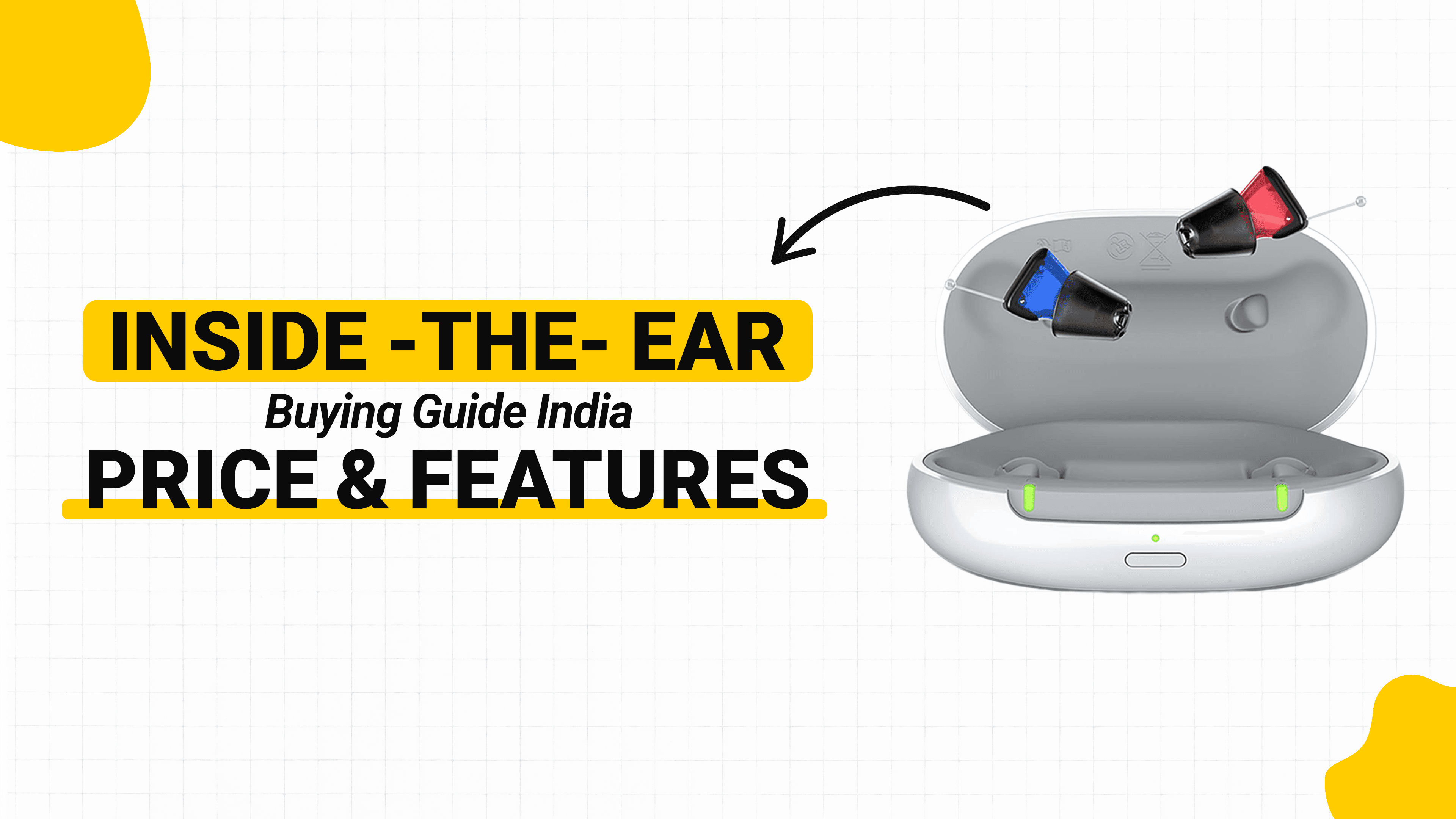
Everything you need to know about in ear hearing aids - prices, features, and when they actually make sense.
What are In-Ear Hearing Aids?
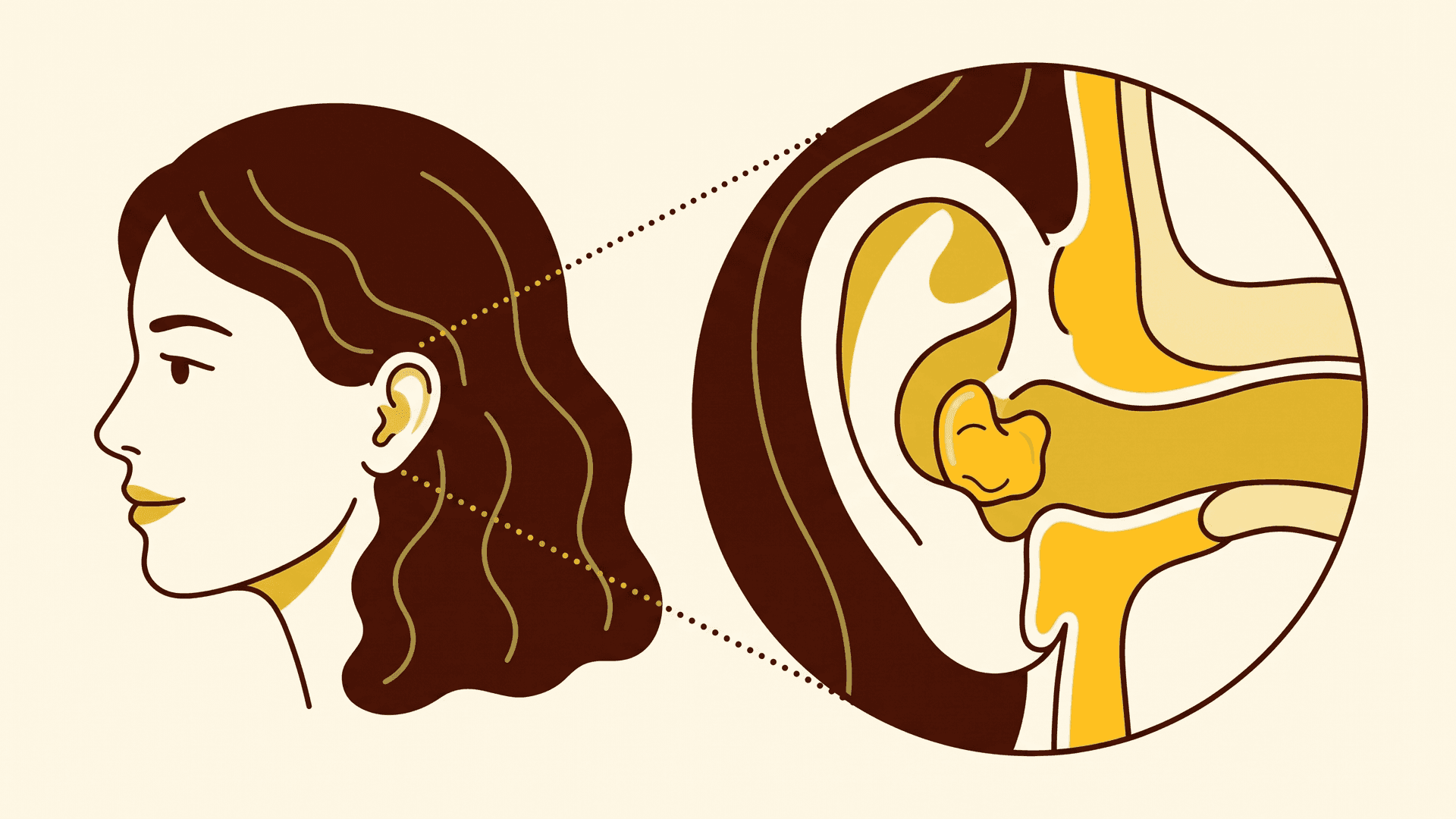
As the name suggests, the device mainly sits in the ear similar to our headphones, making the device most preferred category of hearing aids.
Depending on their insertion depth, the devices are named:
- In-The-Ear : ITE
- In-The-Canal : ITC
- Completely-In-Canal : CIC
- Invisible-In-Canal : IIC
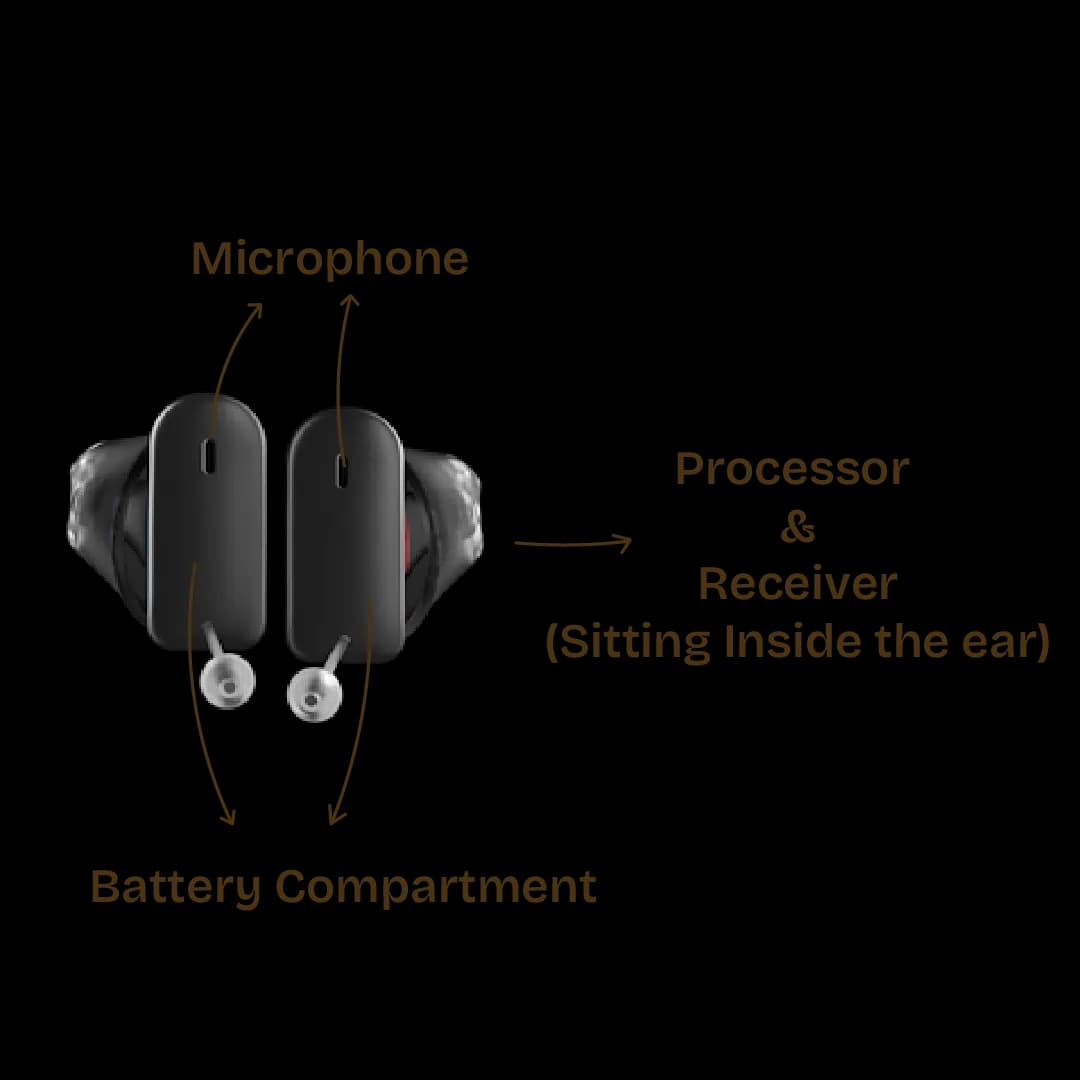
A type of CIC
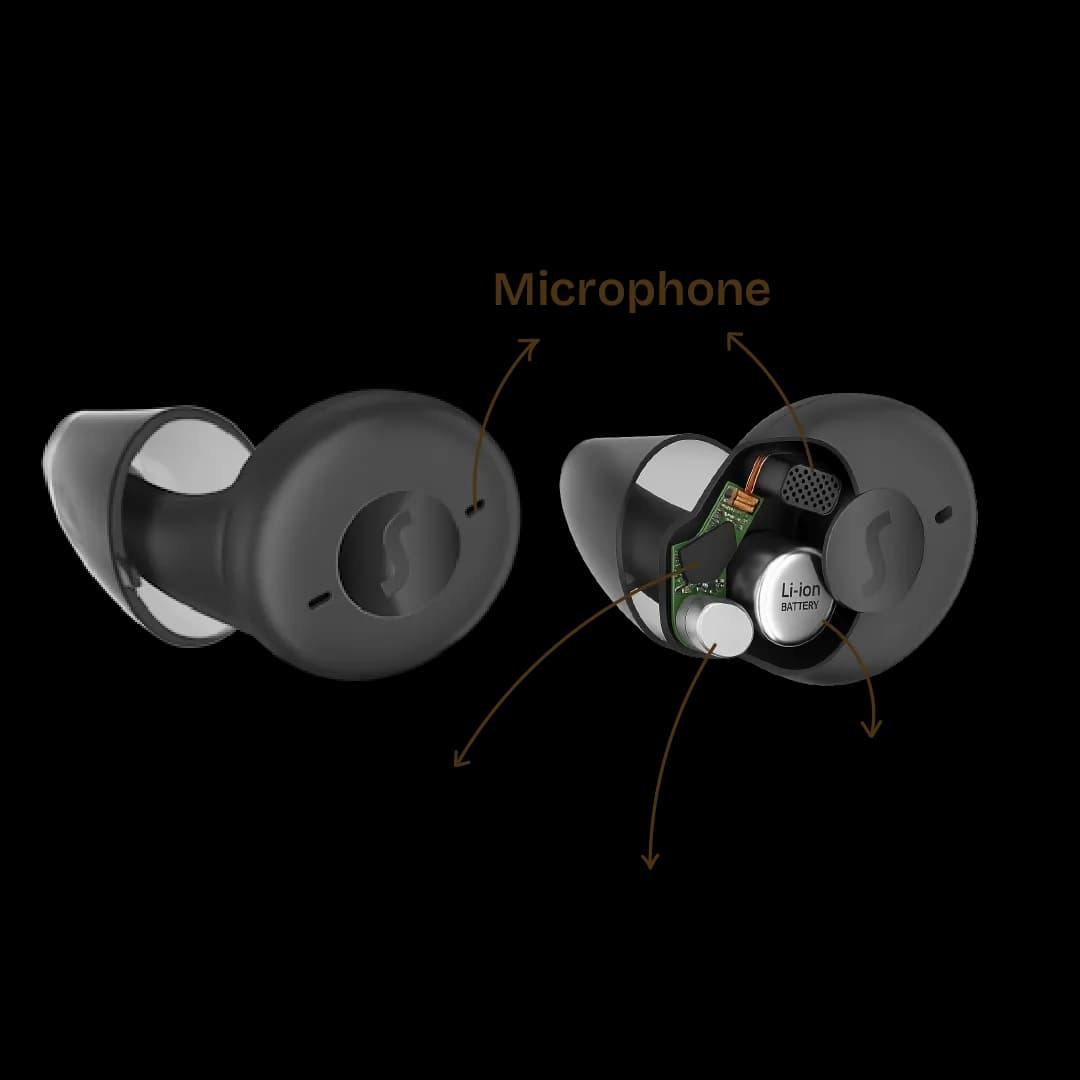
A type of ITE
In-Ear Devices are designed to:
- Discreet Look
- Good Amplification
Who Should & Shouldn't Consider In-Ear Hearing Aids?
❌ Not Ideal if
- Person has Motor issues --> Senior Citizens
- Sloping High Frequency Hearing Loss
✅ Best For
- Mild to Moderate Hearing Loss
- Discreet Look
In-Ear is just a category, the right one still depends on you.
Pros & Limitations of In-Ear Hearing Aid
✅ Pros
- Discreet and Seamless look
- Easy fit in the ear
❌ Limitations
- Problematic for Person with Dexterity issues (Motor Problems)
- Lesser Efficient Directional Microphones
- Frequent Change of batteries/Recharge needed (smaller size)
- Needs Regular Cleaning
In-Ear Hearing Aid Prices in India
You’re not paying for brands.
You’re paying for power, clarity, and long-term reliability.
Segments of Hearing Aids
Entry level Essential In-Ear | Advanced Mid-Range In-Ear | Premium High End In-Ear | Ultra Premium In-Ear |
|---|---|---|---|
₹10,000 → ₹30,000 | ₹40,000 → ₹60,000 | ₹80,000 → ₹1,50,000 | ₹2,00,000 → ₹8,00,000 |
|
|
|
|
*For detailed prices - Please visit our website or else get in touch with our professional team.
Features in Different Segments of Hearing Aids
Features | Entry level Essential In-Ear | Advanced Mid-Range In-Ear | Premium High End In-Ear | Ultra Premium In-Ear |
|---|---|---|---|---|
Channels Bands that help give differnet amplification across different frequencies | 6-8 | 8-16 | 12-24 | 16-48 |
Programmable Amplification Amplification according to your hearing loss | ✅ | ✅ | ✅ | ✅ |
Digital Noise Cancellation Basic digital algorithms that help seperate speech from noise | - | ✅ | ✅ | ✅ |
Feedback Cancellation Ability to cancel whistling sound or feedback | - | ✅ | ✅ | ✅ |
Adaptive Microphone Directionality Ability to enhance speech automatically from any direction and supress noise | - | ✅ | ✅ | ✅ |
Rechargeable Devices with Lithium-Ion Battery, gives ability to recharge | - | ✅ | ✅ | ✅ |
Bluetooth Stream Music, Calls & connect to the manufacturer Mobile App | - | ℹ️ - Some Models | ✅ | ✅ |
Dynamic Sound Processing Automatically detects different environments user is in and processes sound accordingly | - | - | ✅ | ✅ |
Wind Noise Reduction Reduces the annoyance of wind | - | - | ✅ | ✅ |
Sudden Loud Sound Reduction Reduces the annoyance of Loud Sounds such as Horns, Door Bangs, Glassware etc | - | - | ✅ | ✅ |
AI Noise Cancellation Latest algorithm that Enhances Speech and Reduces Noise using Artifical Intelligence | - | - | - | ✅ |
Multi Stream Architecture Ability to detect Multiple Speakers in real-time and enhance their speech | - | - | - | ✅ |
Note - Exact Prices may vary based on the hearing aid model and the discounting structure of your hearing care partner
In-Ear Hearing Aid Features - What Really Matters?
More features don’t mean better hearing. Lifestyle decides which features matter.
Features | Essential | Good-To-Have | Premium |
|---|---|---|---|
Channels | At least 8 channels | 12-16 | >16 |
Programmable Amplification | ✅ | ||
Digital Noise Cancellation | ✅ | ||
Feedback Cancellation | ✅ | ||
Adaptive Microphone Directionality | ✅ | ||
Rechargeable | Personal Preference | ||
Bluetooth | Personal Preference | ||
Dynamic Sound Processing | ✅ - Depending on the Lifestyle | ||
Wind Noise Reduction | ✅ - In Some Cases | ||
Sudden Loud Sound Reduction | ✅ - In some cases | ||
AI Noise Cancellation | ✅ | ||
Multi Stream Architecture | ✅ |
The same feature can be life-changing for one person and completely useless for another. Hence, it is very important to map your lifestyle to these Features.
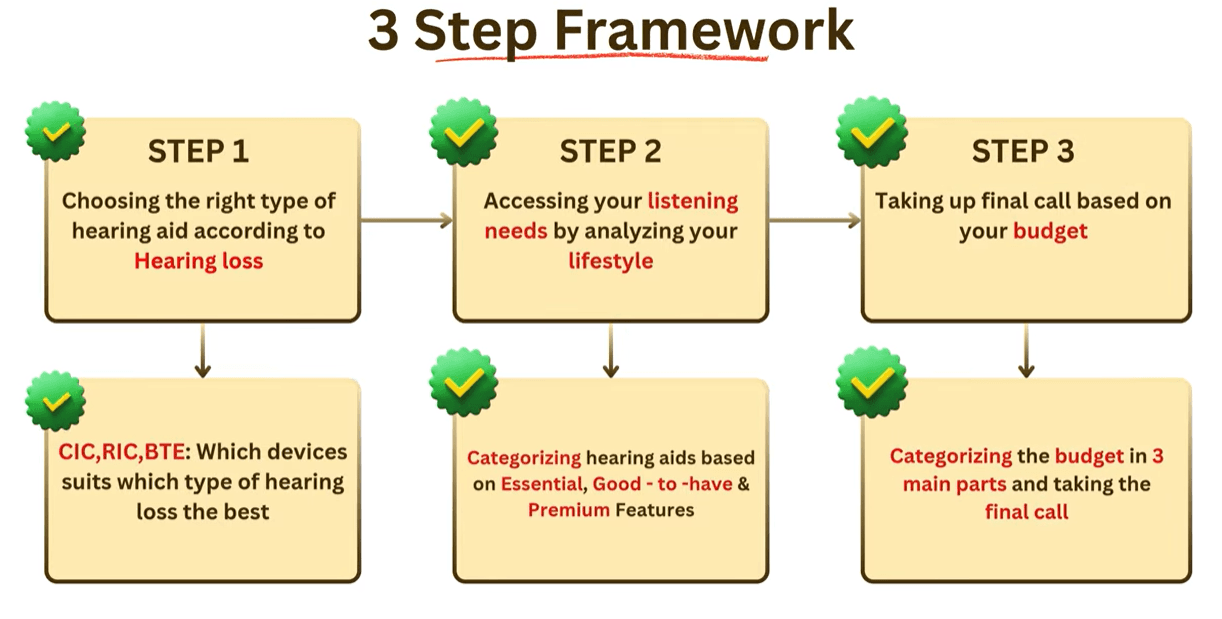
Synva’s 3-Step Buying Framework
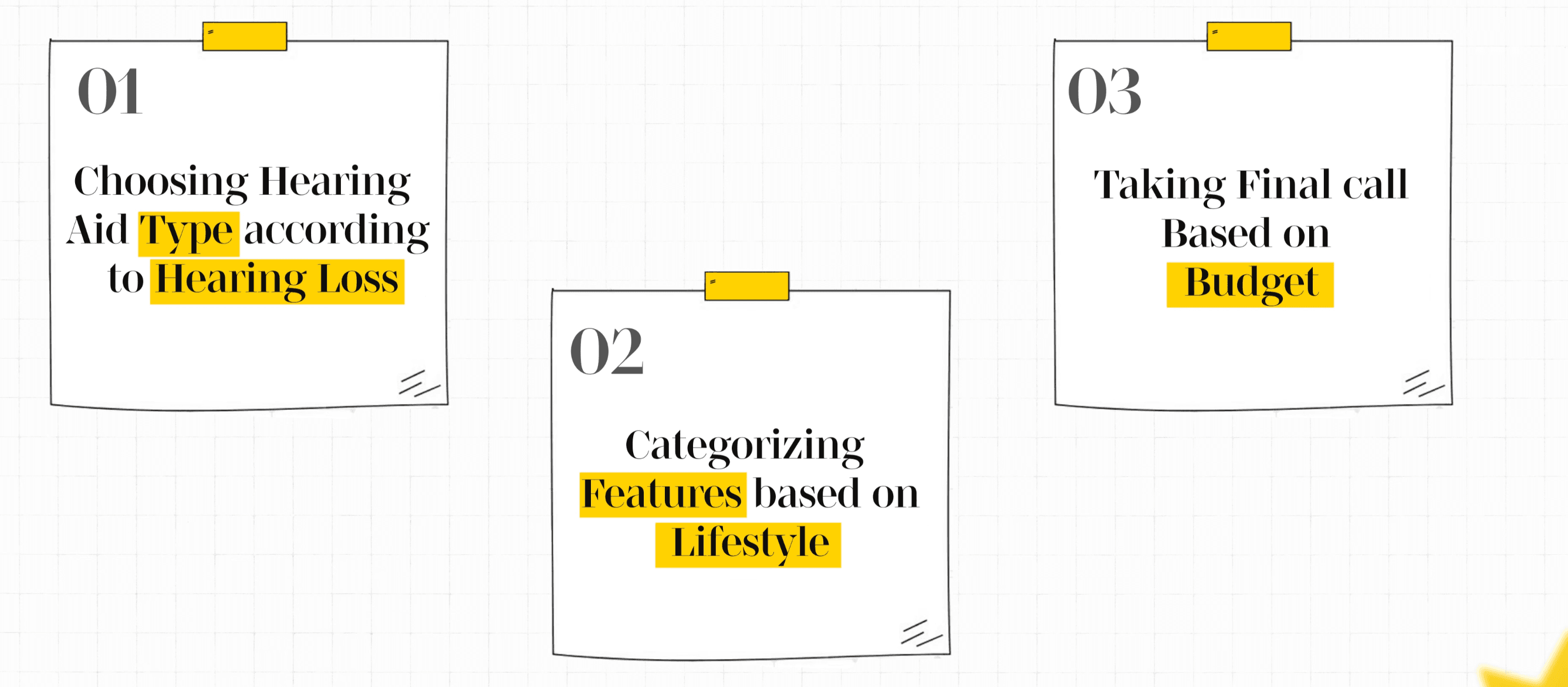
Step 1 — Hearing Loss
Do you actually need an in ear device or is there something better out there for you?
Step 2 — Lifestyle
Where do you struggle most? home, work, outdoors, conversations? Essentials, Good-to-Have, Premium are shaped according to that!
Step 3 — Budget
What gives you the best value, not the highest price?
Rules of Thumb - Easy Buying Guidance
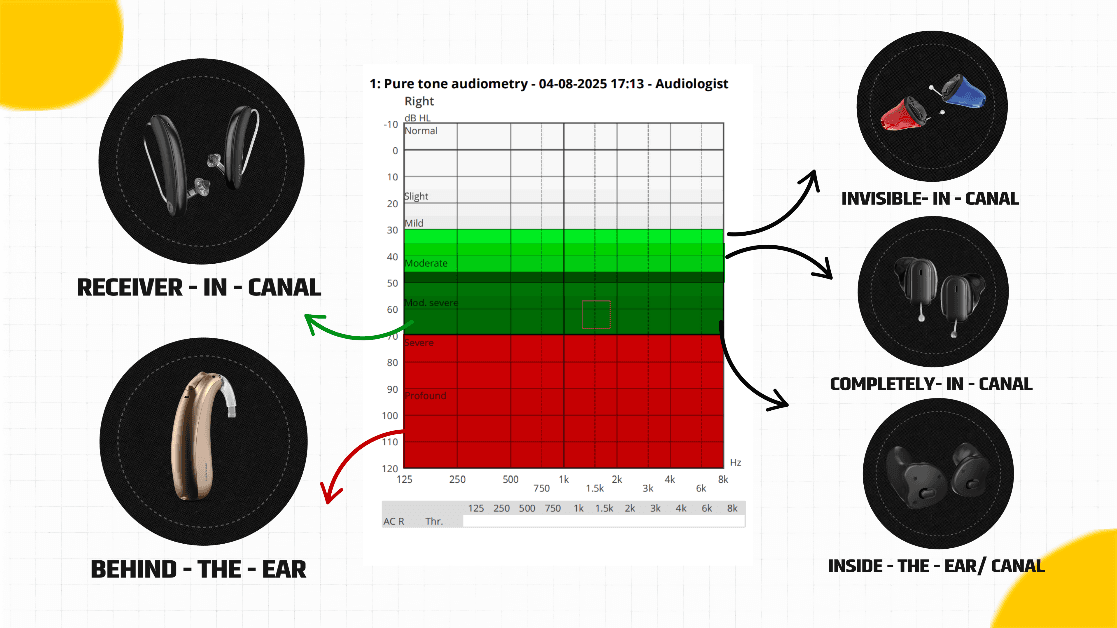
*Note - this is a rough representation. For detailed review, kindly get in touch with a professional audiologist.
When to Choose a In-Ear Device
- When you have Mild to Moderate hearing loss
- Don't have any dexterity issues
- Want a discreet hearing aid
Share
WhatsApp