6 Mistakes to Avoid While Buying a Hearing Aid
Six mistakes people make when buying hearing aids in India, from skipping the trial to chasing channel counts, and how to avoid every one of them for a purchase you will not regret.
Akriti Kumar, Audiologist
4 min read

A Simple Guide to Help You Make the Right Decision
Buying a hearing aid is a big decision. For many people, it’s the first step toward reconnecting with conversations, family moments, and everyday sounds.
But the process can also be confusing.
With hundreds of hearing aid models in the market and different advice coming from different sources, many people end up making costly mistakes. Sometimes they buy a device that doesn’t suit their hearing loss. Other times, they overspend on features they don’t actually need.
The good news? Most of these mistakes are completely avoidable.
In this guide, we’ll walk through 6 common mistakes people make while buying hearing aids — and how you can avoid them.
1. Not Taking a Trial of the Hearing Aid (Think of It Like a Test Drive)
Would you buy a car without taking it for a test drive?
Probably not.
Yet many people purchase hearing aids without trying them first.
A hearing aid trial helps you understand what to expect from the device. A few simple things to look out for are:
- How comfortable the device feels
- Whether speech sounds clear
- How natural everyday sounds feel
- If the device fits well in your ear
Most good hearing centers provide a detailed trial with low, mid- and high level sounds in queit and noisy environments. During this time, you can experience the hearing aid in simulated real-life situations.
Skipping this step can lead to dissatisfaction later.
Always take a trial at the store before making your final decision.
2. Not Testing the Hearing Aid in Noisy Environments
Many hearing aids sound great inside a quiet clinic.
But real life is rarely that quiet.
You might struggle to hear in places like:
- Restaurants
- Family gatherings
- Busy offices
- Social events
- Outdoor environments
Modern hearing aids have features such as:
- Noise Suppression
- Directional microphones
- Dynamic Sound Processing
However, the effectiveness of these features can only be understood when you test the hearing aid in realistic environments.
If possible, try the device in:
- A crowded place
- A group conversation
- A place with background noise
This gives you a far better idea of how the device will perform in daily life.
3. Blindly Following Only the ENT Doctor’s Advice
ENT doctors play an important role in diagnosing medical conditions related to the ear.
However, choosing and programming hearing aids is the specialized role of an audiologist.
Audiologists are trained to:
- Perform detailed hearing evaluations
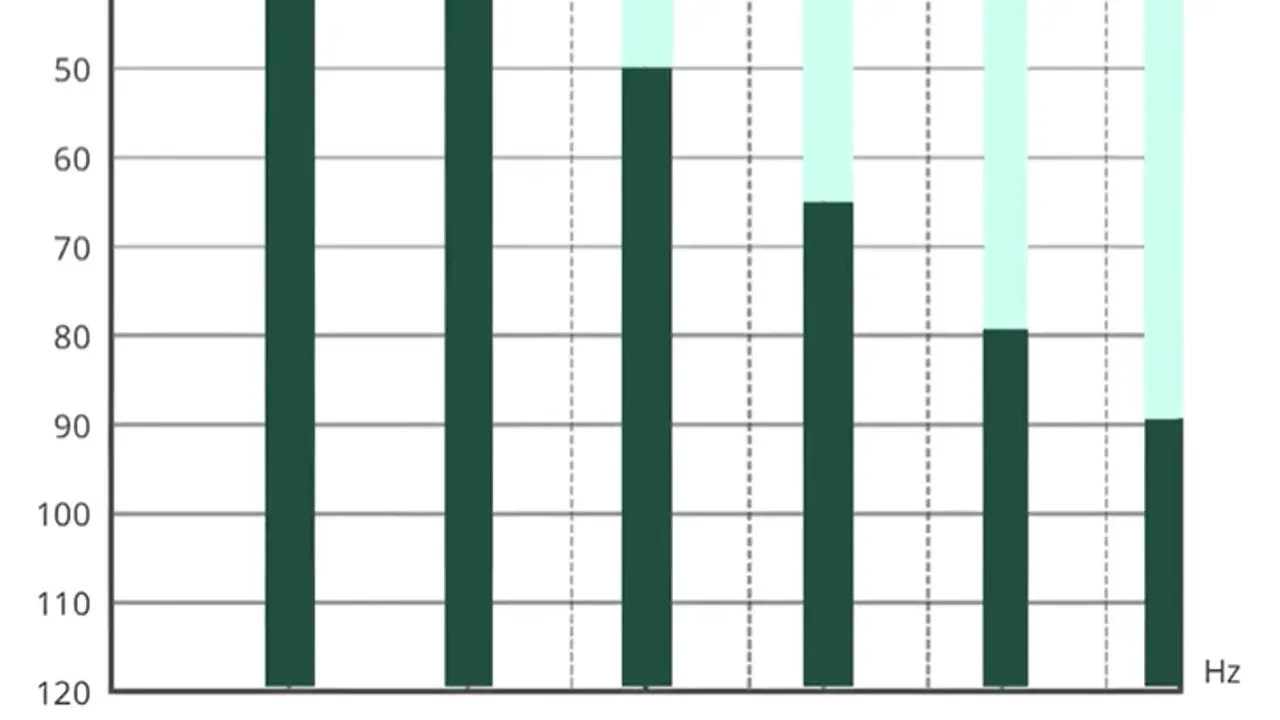
- Interpret audiograms
- Select the correct hearing aid type
- Fine-tune devices according to your hearing loss
- Provide rehabilitation and counseling
In many cases, ENT doctors may recommend a hearing aid, but the detailed fitting and customization should ideally be done by an audiologist.
The best approach is to consider both medical advice and audiological expertise before making your decision.
4. Testing Your Hearing at Home (One of the Biggest Mistakes!!)
Online hearing tests and mobile apps have become very popular.
While they may give you a rough idea, they cannot replace a professional hearing evaluation.
A proper hearing test requires:
- A sound-treated room
- Calibrated audiometry equipment
- Masking techniques
- Expert interpretation by an audiologist
Home tests can often lead to:
- Incorrect results
- Misdiagnosis
- Wrong hearing aid recommendations
This is why hearing aids bought purely based on online hearing tests often fail to deliver the expected results.
For accurate diagnosis, always get your hearing tested at a certified hearing clinic.
5. Running Behind Higher Channels
You may have heard statements like:
“This hearing aid has 48 channels, so it’s better.”
But more channels do not always mean better hearing.
Channels simply refer to how finely the hearing aid processes different frequency ranges.
For many people with mild or moderate hearing loss, basic or mid-level channel configurations work perfectly well.
Buying the highest channel count device can lead to:
- Overspending
- Paying for features you may never use
- No noticeable improvement in hearing
The right hearing aid should be selected based on:
- Your hearing loss
- Your lifestyle and listening environments
- Your budget
NOT just the number of channels!!
6. Ignoring After-Sales Support
A hearing aid is not a one-time purchase.
It requires ongoing support such as:
- Fine-tuning adjustments
- Cleaning and servicing
- Software updates
- Periodic hearing reassessment
Without proper after-sales care, even the best hearing aids may not perform well over time.
Before purchasing, always check:
- Does the clinic offer follow-up visits?
- Are programming adjustments included?
- Is servicing available locally?
- What kind of warranty is offered?
Choosing a provider with strong long-term support can make a huge difference in your overall hearing experience.
Final Thoughts
Buying the right hearing aid is not just about picking the most expensive device or the newest technology.
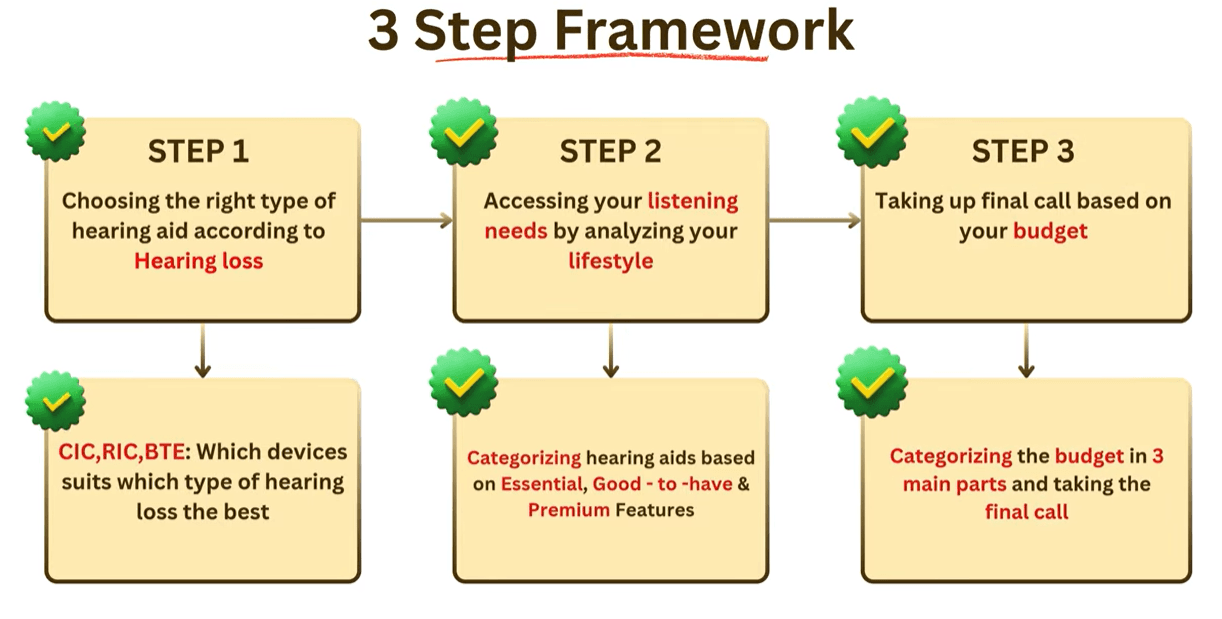
It’s about making an informed decision based on your hearing loss, lifestyle, listening needs and budget.
By avoiding these common mistakes, you can ensure that your hearing aid truly improves your quality of life.
Need Help Choosing the Right Hearing Aid?
At Synva, our audiologists help you choose hearing aids using a scientific framework based on hearing loss, lifestyle, and budget.
Our process includes:
- Comprehensive hearing evaluation
- Real-world hearing aid trials
- Personalized programming
- Long-term support and follow-ups
If you’re considering a hearing aid, schedule a consultation and let our experts guide you toward the right solution.
Share
WhatsApp