Everything you need to know about Tinnitus
What tinnitus is, what causes the ringing, whether it can be treated, and five practical ways to reduce how loud it feels, from sound therapy to treating the underlying cause.
Akriti Kumar, Audiologist
5 min read

Many people experience a constant ringing, buzzing, or humming sound in their ears even when no external sound is present. This condition is known as tinnitus, and it can range from mildly annoying to severely disruptive.
If you or a loved one is experiencing tinnitus, the good news is that there are ways to manage it and reduce its loudness. Understanding the condition is the first step toward relief.
In this blog, we will explain:
- What tinnitus is
- What causes tinnitus
- Whether tinnitus can be treated
- Five practical ways to reduce tinnitus loudness
What Is Tinnitus?

Tinnitus is the perception of sound in the ear or head without an external source.
People often describe tinnitus as:
- Ringing
- Buzzing
- Hissing
- Whistling
- Roaring
- Clicking
The sound may be constant or intermittent, and it can affect one ear or both ears.
Tinnitus itself is not a disease. Instead, it is usually a symptom of an underlying issue, most commonly related to hearing loss or ear health.
Many people notice tinnitus more clearly in quiet environments, especially at night when there are fewer surrounding sounds.
What Causes Tinnitus?
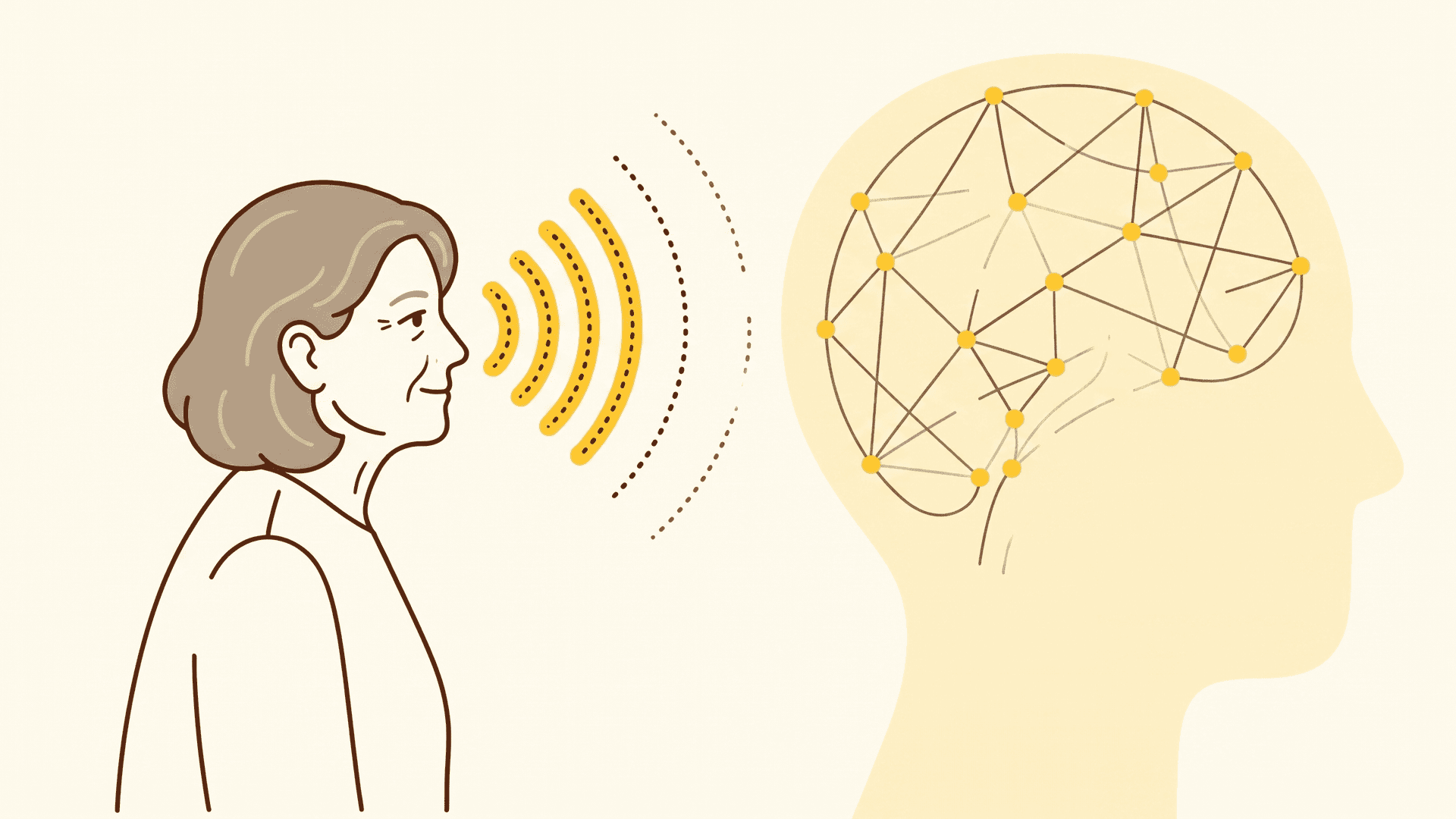
Tinnitus can have several possible causes. In many cases, it is linked to changes in the hearing system or the brain’s processing of sound.
Common causes include:
- Age-related hearing loss or long-term exposure to loud noise is one of the most common causes of tinnitus. When the ear receives less sound input, the brain may compensate by increasing sensitivity, which can create phantom sounds.
- Frequent exposure to loud environments such as, Traffic, Construction sites, Loud music, Firecrackers, can damage the delicate hair cells in the inner ear.
- Excessive earwax can block the ear canal and change how sound is perceived, sometimes triggering tinnitus.
- Infections, fluid buildup, or pressure changes in the ear can temporarily cause tinnitus.
- Some medications are ototoxic, meaning they can affect the inner ear and trigger tinnitus in certain individuals.
- Stress does not directly cause tinnitus but can make the perception of tinnitus louder and more noticeable, as the blood supply to the ear is constricted.
Can Tinnitus Be Treated?
There is no universal cure for tinnitus, especially when it is related to permanent hearing loss.
However, tinnitus can often be managed effectively.
Treatment typically focuses on:
- Identifying the underlying cause and using suitable medication (as prescribed)
- Reducing the perception of tinnitus using a Masker
- Helping the brain adapt to the sound with Therapy
Many people experience significant improvement through a combination of medical care, hearing technology, and lifestyle changes.
If tinnitus is related to earwax, infections, or medication, treating the underlying issue may reduce or eliminate the tinnitus.
For others, hearing aids, sound therapy, and counseling techniques can make tinnitus much less noticeable in daily life.
5 Ways to Reduce Tinnitus Loudness
While tinnitus may not always disappear completely, these strategies can help reduce how loud or bothersome it feels.
1. Treat Any Underlying Ear Problems
The first step is to consult an ENT specialist or an Audiologist for a proper evaluation.
Simple treatments such as:
- Earwax removal
- Treating ear infections
- Adjusting medications
may significantly reduce tinnitus in some cases.
A professional hearing assessment can also identify whether hearing loss is contributing to the tinnitus.
2. Use Hearing Aids (If Hearing Loss Is Present)
Many people with tinnitus also have some degree of hearing loss.
Hearing aids can help by:
- Amplifying external sounds
- Reducing the contrast between environmental sounds and tinnitus
- Stimulating the hearing system
When the brain receives more natural sound input, tinnitus often becomes less noticeable.
Modern hearing aids may also include built-in tinnitus masking features.
3. Sound Therapy
Sound therapy involves using external sounds to reduce the perception of tinnitus.
Examples include:
- Soft background music
- White noise machines
- Nature sounds (rain, waves, wind)
- Smartphone sound therapy apps
These sounds help distract the brain and reduce the prominence of tinnitus, especially in quiet environments like bedtime.
4. Reduce Stress and Improve Sleep
Stress and fatigue often make tinnitus feel louder and more distressing.
Techniques that may help include:
- Deep breathing exercises
- Meditation or mindfulness
- Regular physical activity
- Maintaining a healthy sleep routine
When the body is relaxed, the brain tends to pay less attention to tinnitus.
5. Avoid Triggers That Can Worsen Tinnitus
Certain habits can make tinnitus worse for some people.
Common triggers include:
- Loud noise exposure
- Excess caffeine/salt intake
- Smoking - Nicotine intake
- Poor sleep
- High stress levels
Protecting your ears in noisy environments and maintaining a healthy lifestyle can help prevent tinnitus from worsening.
When Should You See a Hearing Specialist?
You should consider a professional hearing evaluation if:
- Tinnitus persists for more than a few weeks
- The sound is sudden or rapidly worsening
- It is affecting sleep, concentration, or daily life
- It is accompanied by hearing loss or dizziness
An audiologist can assess your hearing and recommend personalized management options.
Final Thoughts
Tinnitus can feel frustrating, but it is a common condition experienced by millions of people worldwide.
The key is to identify the underlying cause and adopt the right management strategies.
With the right guidance and support, many people are able to reduce the loudness of tinnitus and improve their quality of life.
If you are experiencing persistent tinnitus, a comprehensive hearing evaluation can help determine the best next steps.
Professional guidance ensures that you receive accurate diagnosis, appropriate treatment, and long-term management options.
Share
WhatsApp