Choosing the BEST Hearing Aid for Your [HEARING LOSS] | Hearing Aid Selection Simplified [Part 1]
Part 1 of Synva’s selection series: how your audiogram decides which hearing aid type fits, with the power ranges of BTE, RIC, CIC and IIC devices and three real life examples.
Akriti Kumar, Audiologist
3 min read
Do you also think -
The most expensive hearing aid will give the best results?
Or
The smallest invisible hearing aid is always the most comfortable one?
If your answer is yes, you might want to rethink it.
Because hearing aid selection isn’t about price or looks; it’s about science. And at the center of that science lies "Your Hearing Loss."
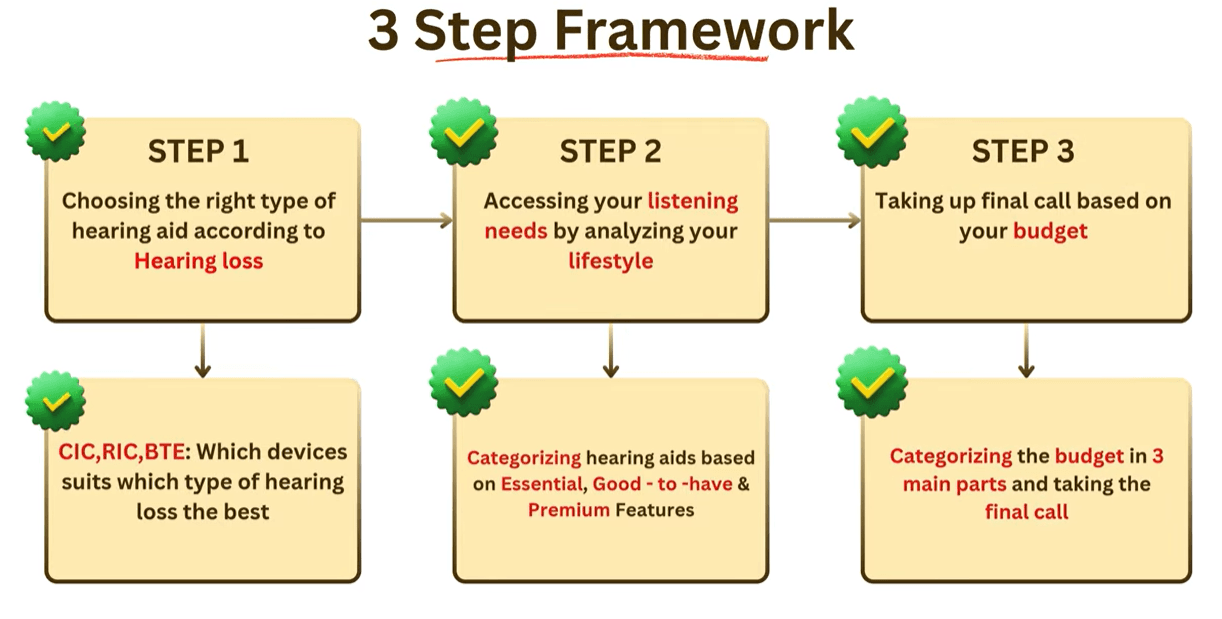
In the previous blog, we introduced our 3-Step Scientific Framework for choosing the perfect hearing aid:
- Choose the Type of Hearing Aid according to your Hearing Loss
- Assess Your Listening Needs by analyzing your Lifestyle
- Take a Final Call depending on your Budget
Step 1 - “How to choose the right hearing aid based on your Hearing Loss.”
Why Choosing Based on Hearing Loss Is So Important
Hearing aids do not all perform the same, and they are definitely not a "one-size-fits-all" solution.
Here’s why:
- If you have mild hearing loss and wear a powerful BTE (Behind-the-Ear) aid, the sound will feel uncomfortably loud.
- But if you have severe hearing loss and choose a tiny invisible (IIC/CIC) model, it simply won’t have enough power to give you clear speech.
That’s why before buying any hearing aid, you need to understand two essential things:
- Your Audiogram : to know how much hearing loss you have and at which frequencies
- Which Type of Hearing Aid supports what level of amplification
Let’s look at both in detail.
A. Understanding Your Audiogram
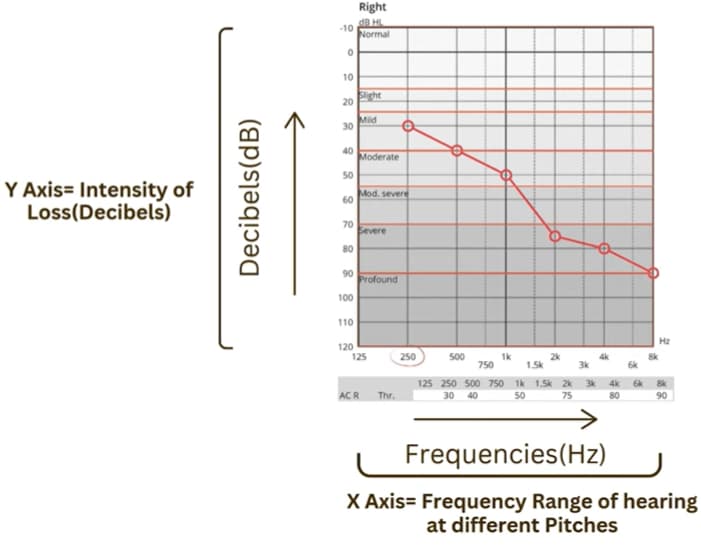
- The Y-axis (vertical) shows decibels (dB) — how loud a sound needs to be before you hear it.
- The X-axis (horizontal) shows frequencies (Hz) — from low-pitched sounds (like a drum) to high-pitched ones (like a bird chirp).
Here’s how hearing loss is usually classified:
Hearing Range | Average Hearing Loss | What It Means |
|---|---|---|
Normal | 0–25 dB | You can hear all everyday sounds clearly |
Mild | 26–40 dB | You miss soft sounds like whispers |
Moderate | 41–60 dB | You struggle with conversations in noise |
Severe | 61–90 dB | Even loud sounds are hard to hear |
Profound | 90+ dB | Very limited hearing, even for loud sounds |
Once you know your hearing loss category, the next step is to match it with the right hearing aid type.
B. Matching Hearing Aid Types with Hearing Loss
Every hearing aid type has a different amplification capacity, i.e., how much power it can provide to compensate for your loss.
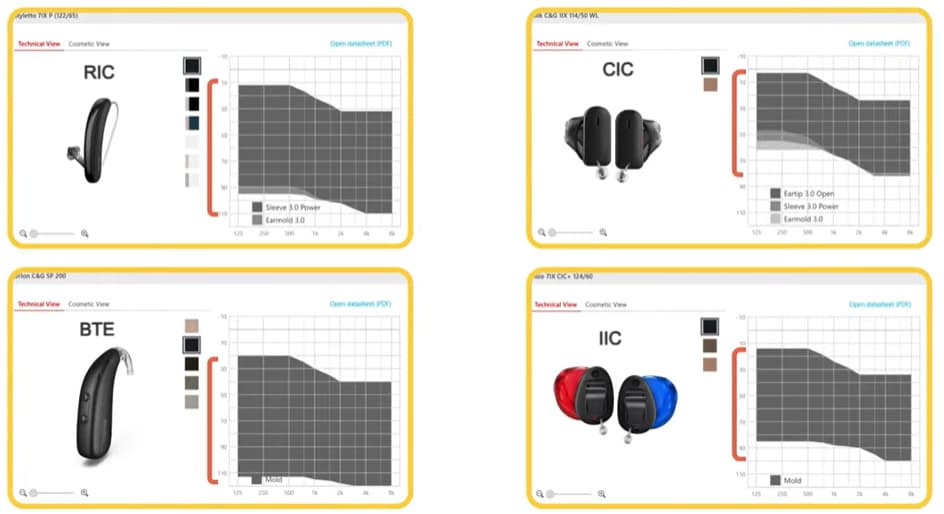
Let’s understand this through four common hearing aid types (using Signia models as an example):
Type | Placement | Power Range | Suitable for |
|---|---|---|---|
CIC / IIC (Completely-in-Canal) | Fully inside the ear canal | Low to medium | Mild to Moderate loss |
ITE (In-the-Ear) | Fits in the outer ear | Medium | Moderate loss |
RIC (Receiver-in-Canal) | Behind the ear with a small wire receiver | Medium to high | Moderate to Severe loss |
BTE (Behind-the-Ear) | Device behind ear with earmold | High to very high | Severe to Profound loss |
Now let’s see how this works with real life examples -
Example 1

Best Fit: Invisible CIC or IIC models. It is compact, comfortable, and ideal for mild to moderate loss. These provide just the right amplification without any distortion.
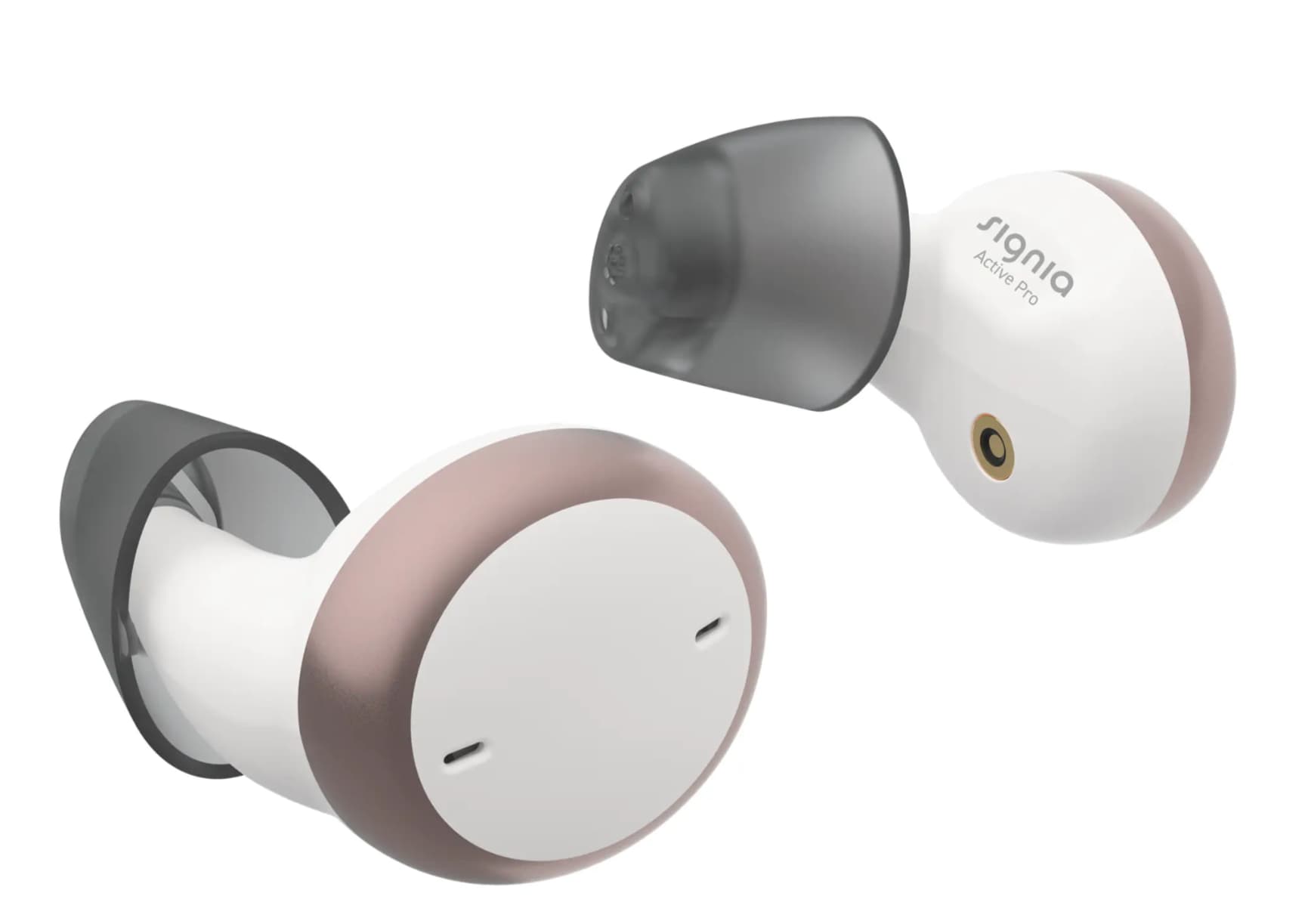
Example 2

Best Fit: RIC or BTE models. A Hearing Aid with programmable features to provide powerful amplification and clarity for TV or speech.
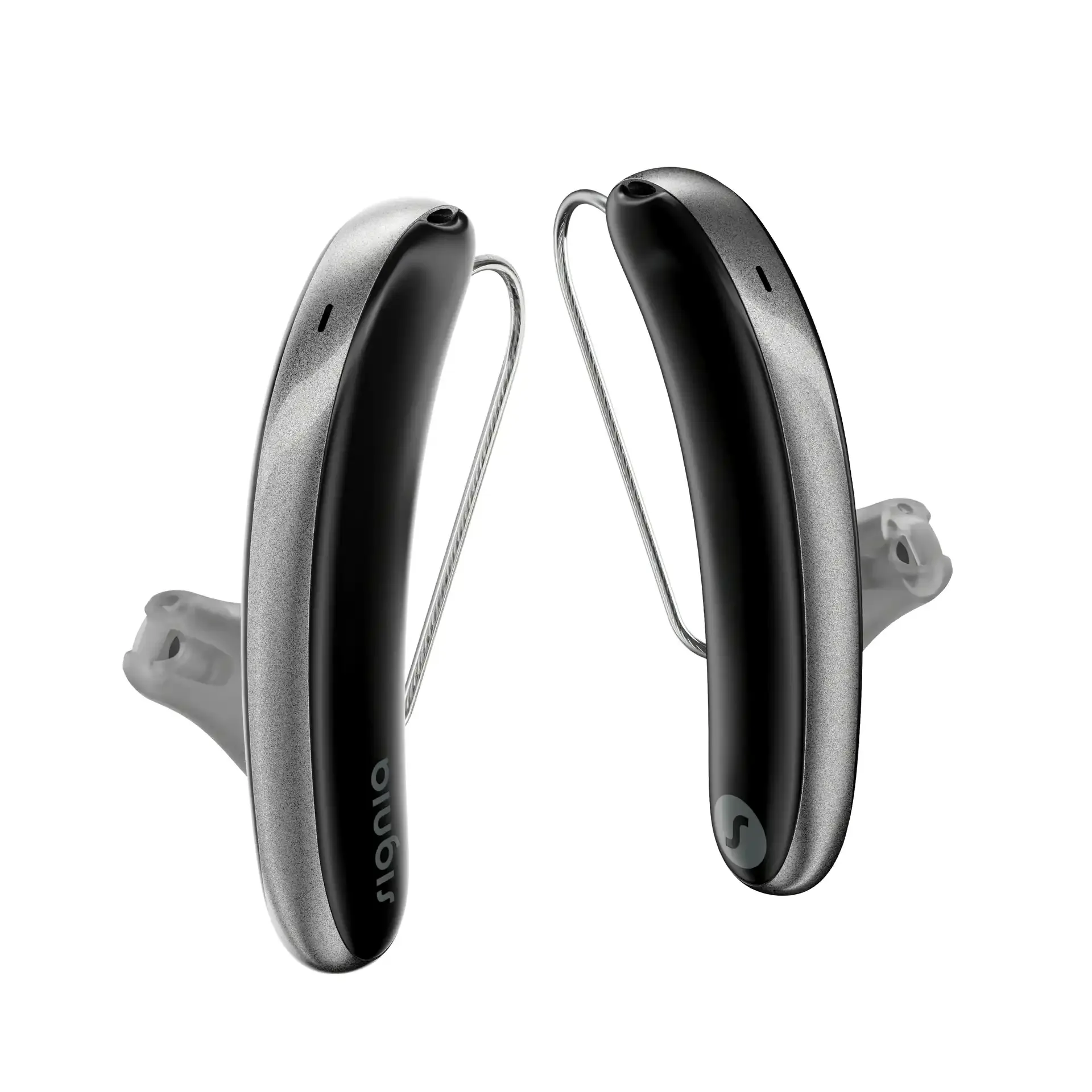
RIC
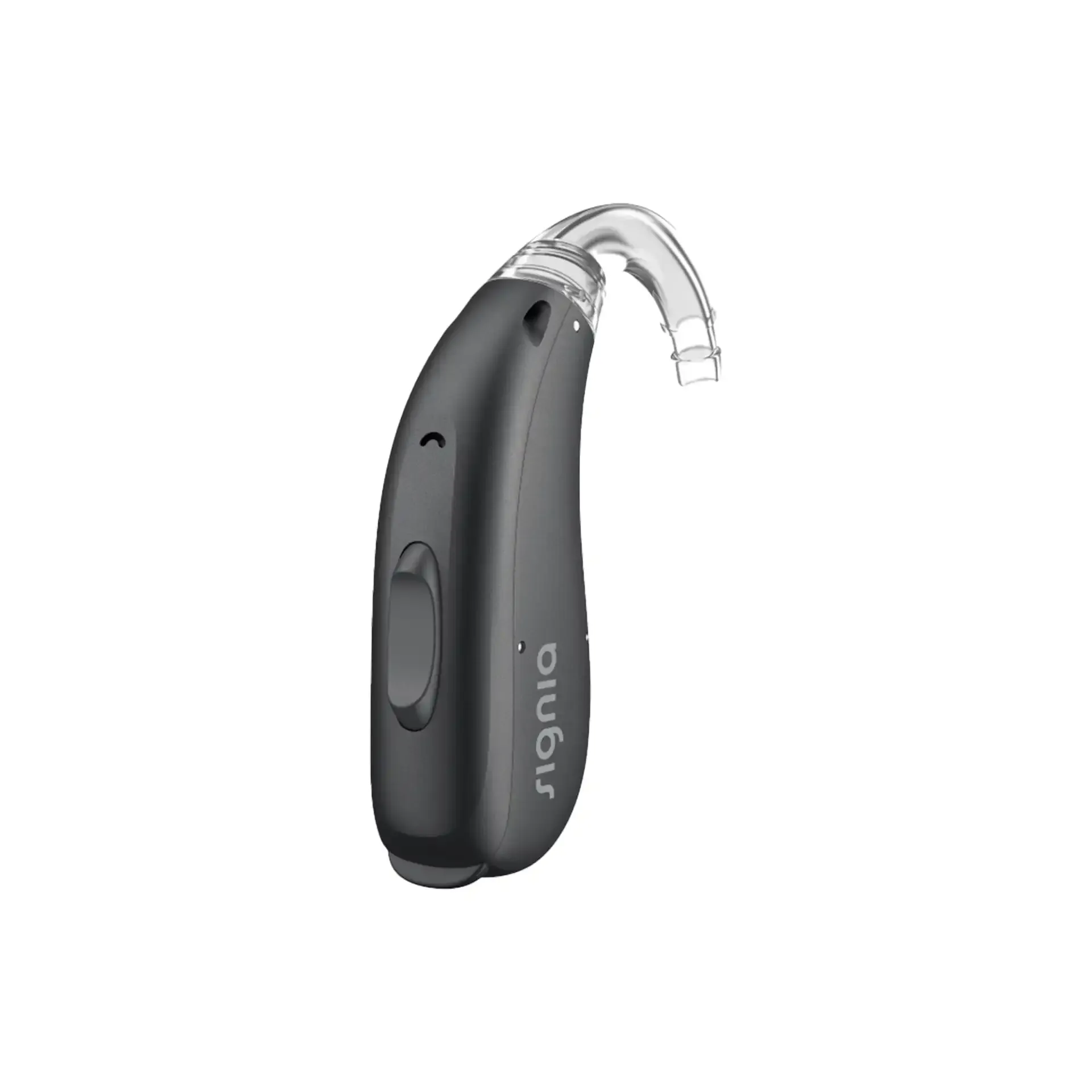
BTE
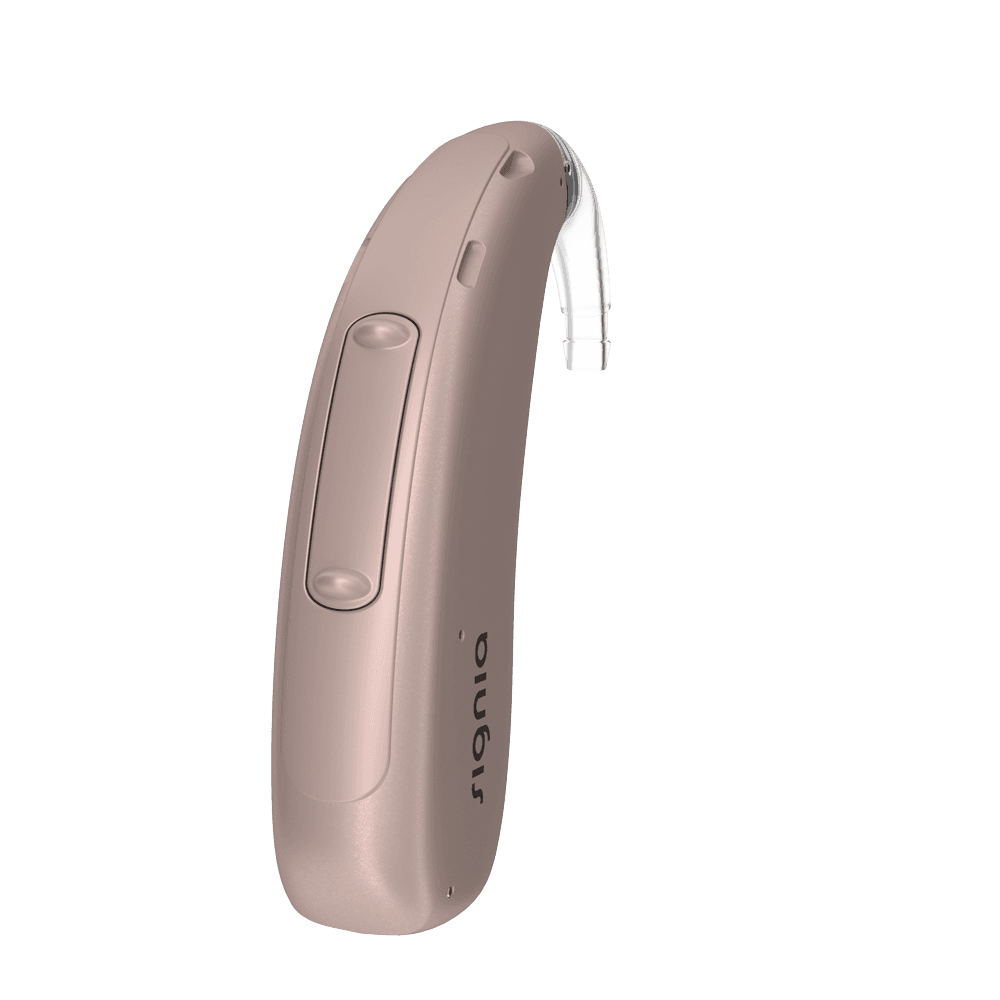
Example 3

Best Fit: High-power BTE models with strong amplification, suitable for very high hearing loss levels.
Need Personal Guidance?
If you’re still unsure which hearing aid suits your hearing loss, our Synva Audiologists can help.
Visit Synva’s website to get a personalized hearing aid recommendation based on your hearing loss and lifestyle.
You can also email us at hear@synva.io with your reports and we shall get in touch with you within 24hrs.
What’s Next?
Choosing the type of hearing aid was just Step 1 in our journey. Even within each type, there are models ranging from ₹15,000 to ₹3,00,000, each with different features.
So how do you know which one you really need?
That’s where Step 2: Lifestyle Analysis comes in. In our next blog, we’ll discuss how your daily routine, work environment, and social life determine which hearing aid features actually matter for you.
Share
WhatsApp