The Hidden Truth About Hearing Aid Channels - What the Manufacturers Don’t Tell You
Channels and handles are not the same thing. How Phonak and Signia count them differently, why the catalogue number flatters, and what to ask your audiologist instead.
Akriti Kumar, Audiologist
4 min read
You’ve probably seen hearing aid catalogues boasting features like —
8 Channels, 16 Channels, 32 Channels, even 48 Channels.
It’s easy to assume that more channels mean better sound quality. After all, that’s how we think about megapixels or processor cores, right?
But when it comes to hearing aids you need to understand few more things to make sense of this statement. Let’s uncover what these “channels” really mean, what handles are, and how this marketing trick can sometimes mislead users.
Channels vs. Handles | The Real Difference
Most people don’t realise that channels and handles are not the same thing.
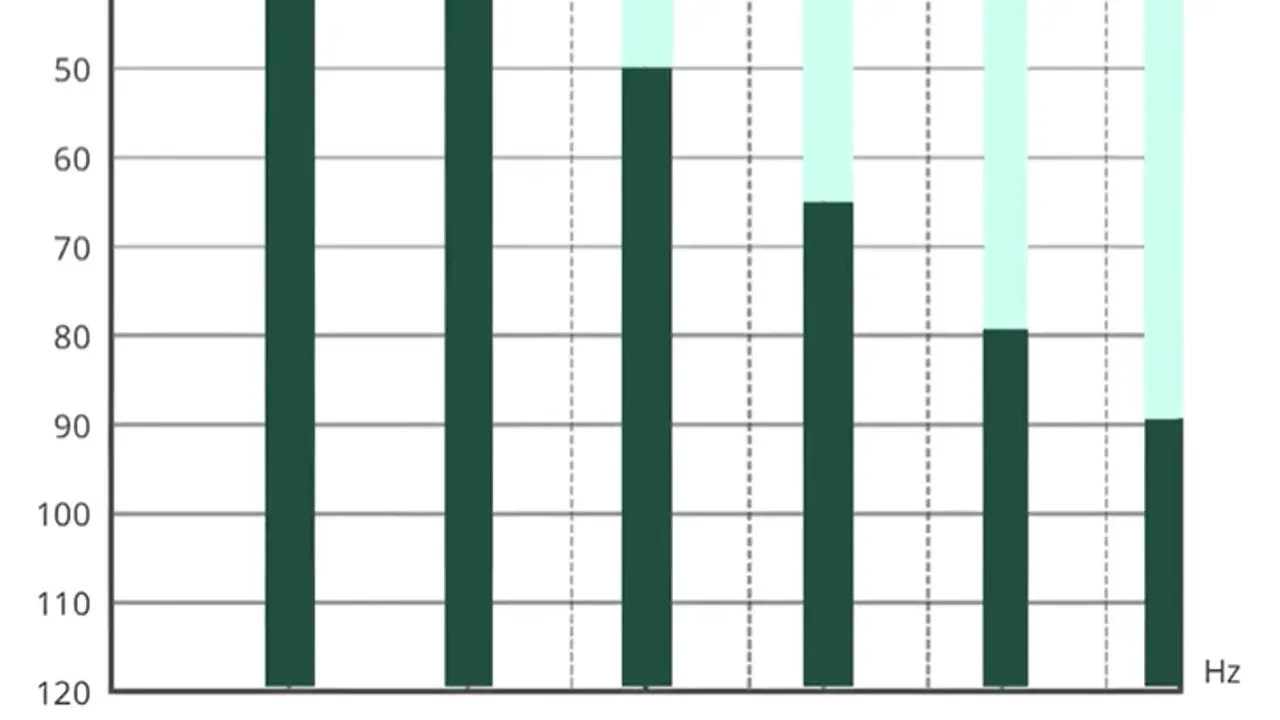
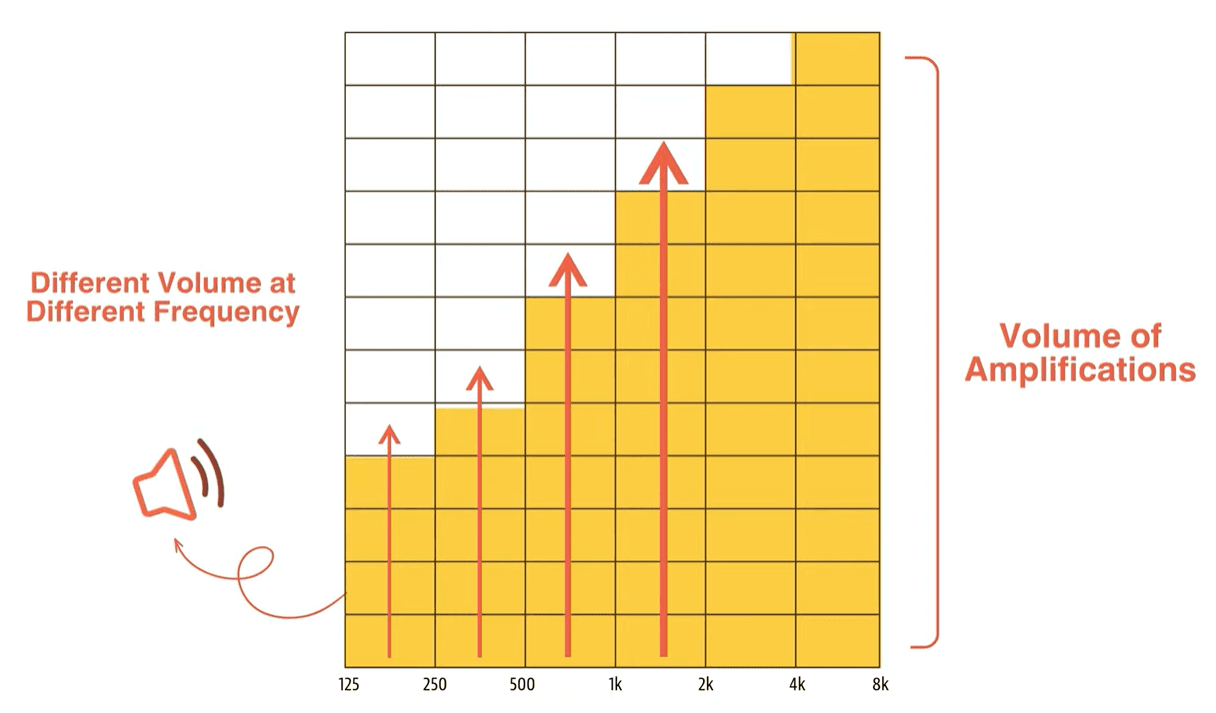
- Channels are the internal sound bands a hearing aid uses to process sound. These allow the device to divide incoming sound into different frequencies like low, mid, and high tones, for better clarity.
- Handles, on the other hand, are the manual control points available to your audiologist during programming. They determine how finely your hearing aid can actually be tuned to your specific hearing loss pattern.
So even if your hearing aid says “48 channels”, your audiologist might only have 20 handles to manually adjust sound. That means you’re not getting the full fine-tuning flexibility that the marketing claims might suggest.
How Different Brands Handle “Channels”
This is where things get interesting.
Let’s take two of the top brands — Phonak and Signia — as examples.
Phonak
Phonak is quite transparent. If their catalogue mentions 20 channels, you’ll find 20 handles in the programming software. That means the number of frequency bands available for internal processing is the same as those accessible for manual adjustment.
Signia
Signia, however, follows a slightly different approach. You might see 48 channels written in the catalogue for a model like Styletto 7IX, but when you open the programming software — you’ll find only 20 handles.
What does that mean? Internally, the hearing aid is capable of processing 48 frequency bands, but during manual fine-tuning, your audiologist can only adjust 20 of them.
Essentially, one handle controls multiple internal channels. This gives the illusion of greater sophistication — when in reality, the practical flexibility for your audiologist is similar to a 20-channel device.
The Marketing Perspective
So, why would a brand do this? Its Simple. Because “48 Channels” sounds far more advanced and premium than “20 Handles”.
From a marketing point of view, it helps differentiate product tiers and justify higher pricing — even when the actual control and sound improvement may not be significantly different.
This doesn’t mean that brands are being dishonest — both Phonak and Signia make excellent devices. But as a customer, it’s important to understand what these specifications really mean before deciding which hearing aid to invest in.
What You Should Actually Look For
Instead of focusing only on the number of channels, pay attention to these three things:
- Number of Handles : Ask your audiologist how many handles the device actually allows for tuning. Typically, 8–16 handles are sufficient for most users. Beyond that, the difference becomes negligible to the human ear.
- Sound Processing Features: Features like noise reduction, feedback cancellation, and speech enhancement impact real-world clarity much more than extra channels.
- Audiologist Expertise: Even the most advanced hearing aid won’t perform well without proper programming. A skilled audiologist who knows how to fine-tune those handles makes all the difference.
You may want to refer to this Blog for better understanding of these features: The SHOCKING TRUTH About Channels in Hearing Aids | More Channels ≠ Better Sound
The Bottom Line
When comparing hearing aids, remember this: More channels don’t always mean better hearing.
What truly matters is:
- How precisely your audiologist can fine-tune the device
- The quality of sound processing technology
- And how well the hearing aid fits your lifestyle and degree of hearing loss
So the next time you’re comparing two hearing aids : one with “48 channels” and another with “20 channels” , ask this simple question: “How many handles can actually be adjusted in programming?”
That one question can save you thousands ; and help you make a smarter, more informed choice.
Watch the Full Explainer Video
In this video, Chintan Bhayani (Founder, Synva Hearing) breaks down real-life software screenshots from Phonak and Signia — showing how “channels” and “handles” differ in practice.
Share
WhatsApp